
How I Got My Agent (part two)
From The First To Final Query Letter

WELCOME TO PART TWO OF MY “HIGMA” POST
Hey writer friends! I said I’d be back with a part two of my HIGMA post soon after part one released, and here I am. If you haven’t already read part one… I’d do so, as it’s a bit too much for me to summarize here. This post continues (and concludes) my HIGMA journey. So, without further ado, let’s dive into the rest of the things that I believe helped me get an agent!
3: I HIRED AN ARTIST TO DRAW MY CHARACTERS (AND GOT AN ILLUSTRATED AGENTED GUIDE)
As I mentioned in PART ONE, paying for things as a writer is an optional luxury that not many have. I personally budgeted specifically so I could pay for promotional services, and one of those things were art commissions. You might be thinking “well this doesn’t seem important”, but to me, it was. On a social media timeline where a majority of writers are posting agent guides or moodboards or snippets, it was important to me that my posts stood out. And what better way to accomplish that than to commission real character art from real artists? I commissioned a lot of art (it’s an addiction of mine, to be honest), some of which I revealed after getting an agent and some of which I posted for promotional purposes - and many of which caught agent attention!
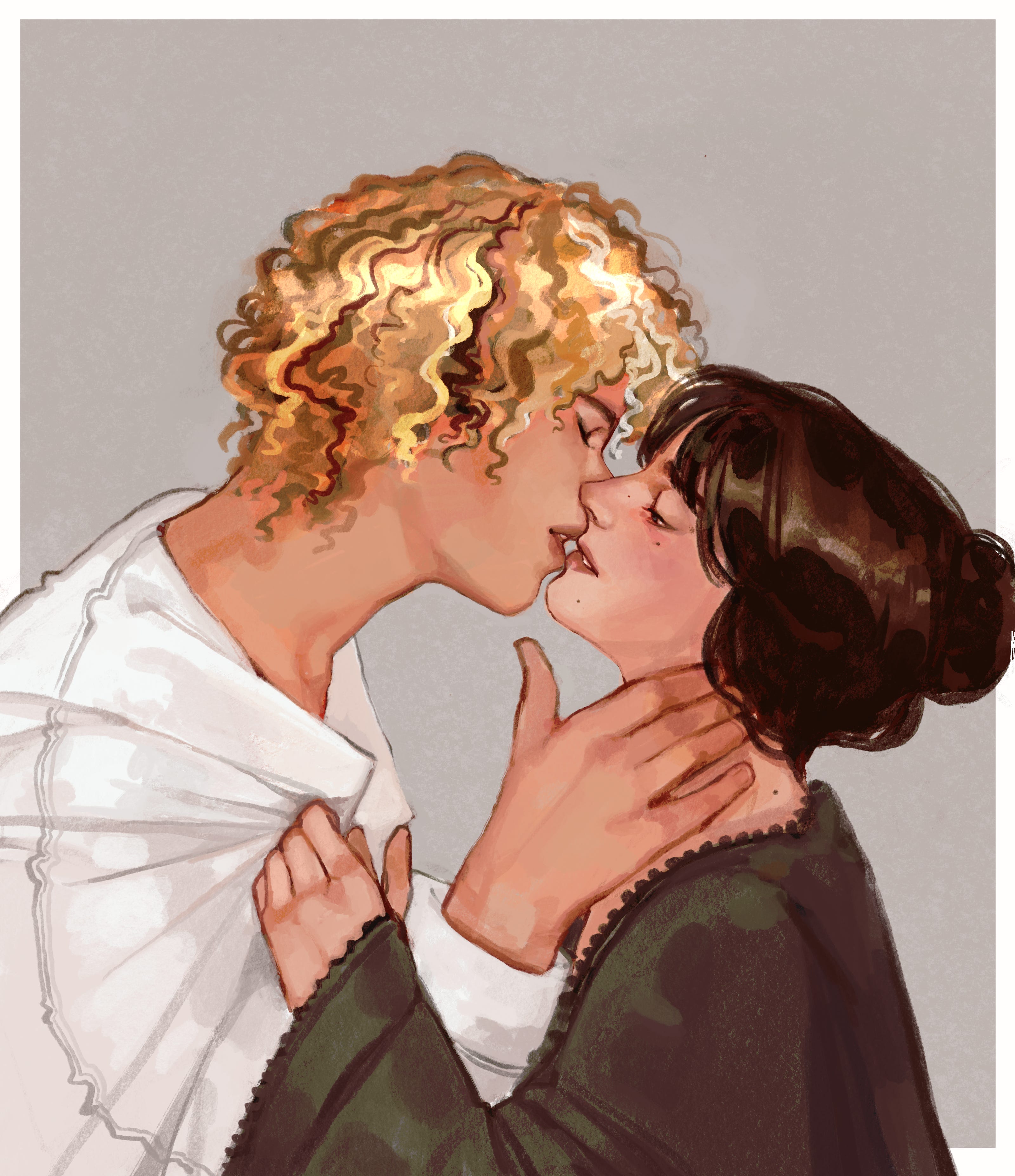
(art by @shizunpilled on Twitter)
4: I PROMOTED MY BOOKS ONLINE AT LEAST 3X WEEKLY
Again, this is something a lot of writers don’t have time for. If you can do so, though, I’d highly recommend promoting the book you’re querying as much as possible! If you can’t afford to post daily, manually, programs like Buffer might be a good place to start for scheduling posts across social media platforms (please be aware that these kinds of sites aren’t always reliable in terms of posting when they say they will, but Buffer is more reliable than most).
5: I FOLLOWED TRENDS EXPLICITLY WITH MY BOOKS
Trends happen on social media, we all know it. It can sometimes seem annoying to see the same post repeated with slight variations from person to person. But, hear me out on this: participate in them. I cannot tell you how much it helped me to get myself, and the books I was querying, out there. Following trends, even making trends (of which I managed to do, successfully, a couple of times) inevitably allows for your posts to garner more reach in the online writing communities you may be part of.
6: I MADE PROMOTIONAL GRAPHICS FOR MY BOOKS
This is something that was half me and half other people inspiring me, but 100% of it was done on Canva. I made original graphics for my novels, whether it was for snippets, or character art, or just random ideas I had. These graphics helped me achieve the prior item on this list. The more original the concept I had, the more likely it was to draw attention from others.
7: I POSTED SNIPPETS FROM MY NOVELS
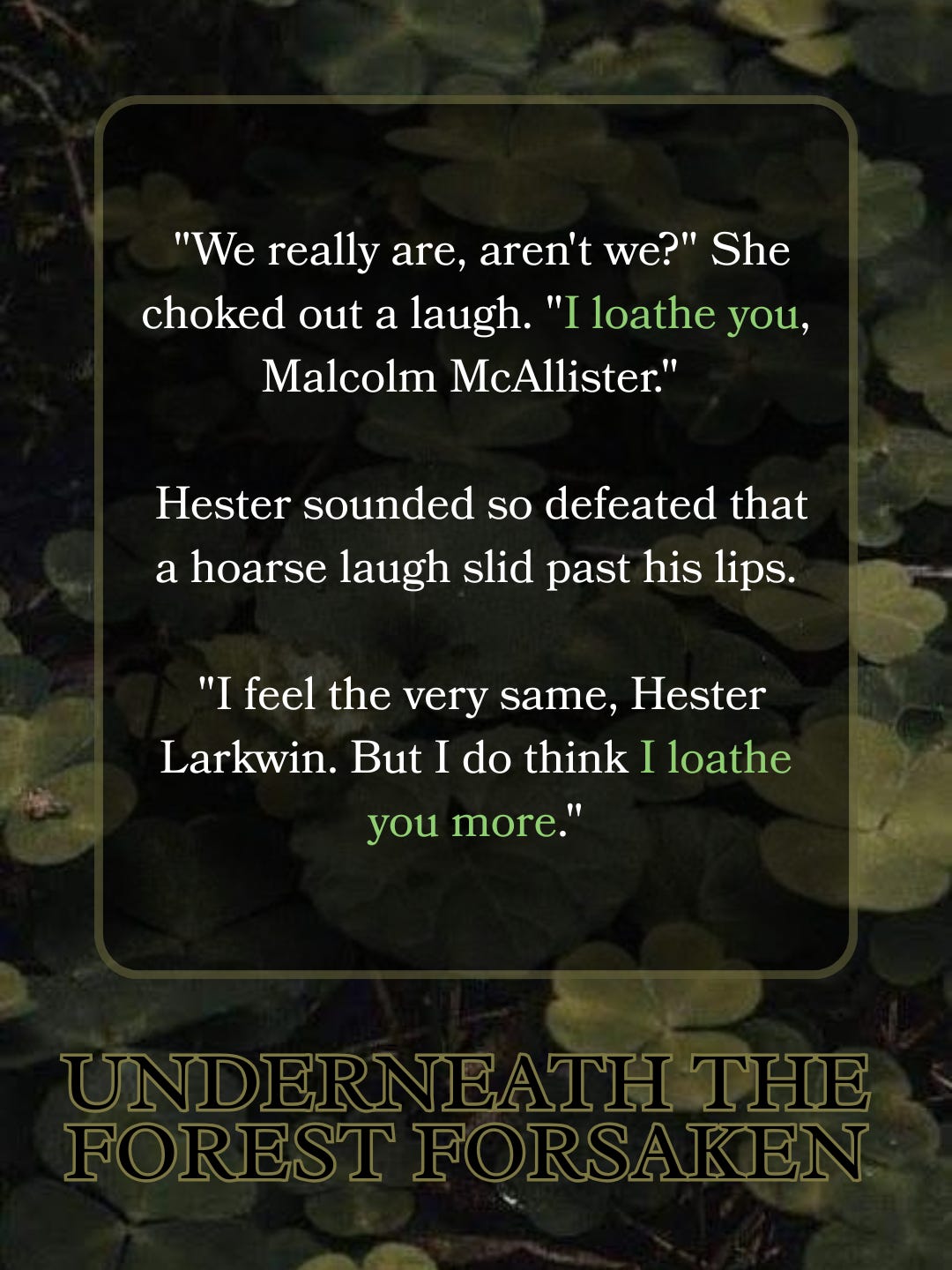
I know this is a touchy subject for some writers. However, I am an advocate for sharing what excerpts you can from your novels. The number of times an agent commented on a snippet post wanting to see a manuscript (including comments from my existing agent) is too high to count. If you’re okay with sharing excerpts, even out-of-context ones, I’d recommend doing so! Participating in trends like #SundaySnippets and/or trends like “first page” or “first line” chains can help your ideas gain momentum.
8: I INTENTIONALLY SOUGHT OUT EDITORS, FOLLOWED THEM, AND ALSO FOLLOWED AGENTS ONLINE
This can be a tricky thing to do if you’re new to the community and don’t know where to look, but I spent an ungodly amount of time stalking editors and agents on Twitter and Instagram (shhh! Don’t tell my agent!), commenting on their posts, and interacting with them. I genuinely liked having conversations with industry professionals, which helped, but it also worked as a way to network and get my name “seen” by agents who might not otherwise stumble across my profiles online. Even engaging in non-book-specific conversations can be immensely helpful. I’ve talked to agents about things as niche as naval histories to apple cider. Not only does it help to get your name “out there”, but it also shows you who you might vibe with most in the industry pre-representation offer or “Call”.
9: I GOT MY BOOKS PROFESSIONALLY EDITED
Before you get your panties in a twist, I should clarify: this was not the case for most of my novels. However. I did get a few of my books professionally edited - and most times, during free exchanges for critiques. When you’ve been part of the writing community for as long as I have (8 years online, give or take) you tend to make connections with awesome people. I got at least one full manuscript line edit for free from a professional editor and ex-agent, and steep discounts on others from numerous editors online. Some editors I’d recommend, for those who have the budget to afford them, are as follows:
Demi Michelle Schwartz (publisher & editor)
Amanda Carbonell (prior agent)
Caroline J. Trussell (prior agent)
Hannah Kate (prior Penguin Random House editor)
Hannah M. Teachout (agent)
Andie Smith (agent)
Stephen Black (professional editor)
Olivia Brooks (professional editor)
Ciara Smith (agent)
Kate Duarte (agented author)
This list is not exhaustive, and there are dozens of other amazing editors out there that you can check out! Just take a look around!
10: I WASN’T AFRAID TO SLIDE INTO AGENTS’ DMs OR COMMENT ON THEIR MSWL POSTS
This is something that, to be frank, terrified me to think of doing at first. But I’ll tell you a secret: it’s so worth it - with a caveat: I’d only DM an agent if they liked my agent guides, pitches, or heavily querying-related posts. If I was unsure if they truly wanted to see my query/manuscript post a like on a specific post, or if I had another submission out with their agency, I’d DM them!
Oftentimes, I feel like we writers view agents as a unique group of celebrities. We put them on pedestals and forget that they, too, are people just like us. It was an effort to stop viewing agents as their career label “agent” and start viewing them as who they were: people just like me, who were passionate enough about the literary craft to pursue a career in it.
11: I CONSTANTLY CHECKED AGENCY WEBSITES AND THE MSWL WEBSITE
This is where the agent “lurking” comes in handy. I did, unashamedly, “follow” agents across multiple platforms and websites just to keep track of what they were looking for at the time. I also submitted ferociously to numerous agents. I am a firm believer of “I don’t know if we’ll get along until we chat”, so I didn’t limit myself to a specific list of agents who I “believed would be the best fit”. And, to tell you the truth, 70% of the requests I got from agents for material were requests I did not expect to get. In fact, I’d even say that most agents who requested material for my stories either (a) didn’t list the specific tropes or concepts from my narratives on their MSWL, and/or (b) had the topics from my manuscripts on their anti-MSWL (though the latter was less common, it did happen).
Still, I think perusing agent websites, MSWLs, and social media platforms is extremely helpful to seeing what they’re looking for.
12: I WAS WILLING TO DO REVISIONS
This is a HUGE thing for agents. Massive. If you’re unwilling to do revisions (refusing to do R&Rs, refusing to discuss edits on the Call, etc.) it can be really detrimental to your career as an author. Editing is a massive part of traditional publishing, and being willing to change a multitude of things about your story can prove you’ll make it further than some will in this industry - an industry that can and will try to steamroll you - to an agent.
13: I DIDN’T POST ABOUT MY REQUEST RATES FOR UTFF
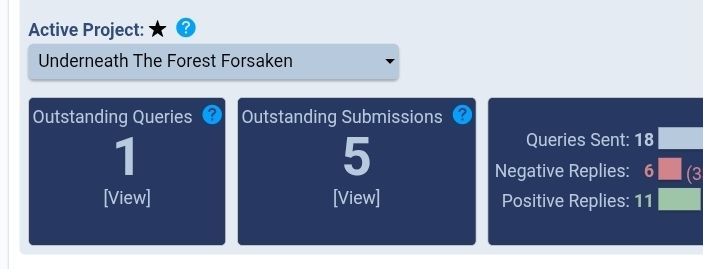
I learned from my first several manuscripts I queried, and when I queried UTFF, I did not post my request/rejection statistics online. I didn’t even post when I got fulls or good news (and if I did, it was once or twice at the start). It’s so exciting when you get requests, and you want to share it with the world. However, sharing that you got requests can date you - especially if you don’t get an offer quickly after getting a multitude of material submissions *side-eyes WavesWIP*. No, but seriously. If you can avoid it, DO NOT post about your request rates online. It’s really hard to do (I would know: I posted all my stats for every book except for UTFF) but it is so, so worth it.
14: I MADE AN AUTHOR WEBSITE
This is something that is actually very easy to do if you know where to look. I use the paid version of Carrd (and I get my domains from Cloudflare), but you can also use websites like Carrd (my personal recommendation) and Wix, among a dozen others, for free in order to manufacture a writing website. You can also hire others to design your website for you, though this can be costly and difficult to manage (especially if you want to change something on the website and have to go through another person).
15: I SIGNED UP FOR LIVE PITCHES
Not only did I sign up live pitches (which might be the most expensive thing I’ve done while querying) but I also practice pitched with my writer friends, I had my pitches critiqued, I attended workshops… the whole deal. I fumbled a few times - that first pitch is always terrifying and a bit traumatizing - but eventually, once I got into the flow (and I knew which books of mine were easiest to pitch) I got a lot of interest from these events. In fact, I’d say 30% of my requests for UNDERNEATH THE FOREST FORSAKEN came from pitch events. Although I could only attend events like this online, I’d highly recommend looking into them yourself if you can afford it! Here are some avenues I’d look into if you can:
16: I APPLIED FOR MENTORSHIP PROGRAMS
Something I did late into my querying game was apply for mentorship programs. I’ve attached a list of the ones I applied to below (none of which I got into, though I got runner-up for most of them) for your reference! These programs are free for authors and are meant to pair writers who intend to query with (a) agented authors, or (b) industry professionals, like editors or agents. While I didn’t get into any of them, and they’re mostly for people who’re ready to wait and work on their craft before querying, I do recommend them if you have the time and energy to commit to seriously revising your manuscript!
17: I PARTICIPATED IN PITCH EVENTS
This one was perhaps one of the easiest (and most fun) things I did that I think helped me get an agent offer: I participated in numerous pitch events. There are dozens (dozens) of these events, from events for specific genres (#MupPit or #PitDark) to events that occur multiple times annually (#QuestPit and #WIPPit) to events specifically for marginalized authors (#MENAPit and #PitchDis), there are so many to choose from, and many agents participate in them as well! Throwing together pitches and keeping track of the lists of pitch events online can help garner a lot of interest really quickly. Studying successful pitches could also provide useful to making yours shine (and I know many writers have gotten offers from agents who expressed interest in initial pitches for their books during such events).
18: I HAD A LOT OF FREE TIME
Let me be real for a second: one of the biggest reasons I got an agent was because I have a copious amount of free time. Outside of school and home life, I don’t work full time - my husband does. So, I usually have a lot more time to dedicate to my writing. If you can’t make time for all of the things I’ve listed on my HIGMA post, don’t fret, because almost nobody does. I am extremely fortunate to have the time and opportunities I do.
16: I HAD A COMMUNITY
It’s said all over the writing socials, but it’s true every time: having a community really does help when you’re querying (and getting agented). Being able to ask for input from other writers, being able to brainstorm your story ideas, being able to get beta readers, being able to ask questions… all I’ve achieved would NOT be possible without the connections, friends, and groups I’m so lucky to have or be a part of in the writing community. Don’t avoid other writers, befriend them! Your fellow creatives aren’t your competition. Let them guide you, teach you, and learn from their experiences/examples!
17: OTHER THINGS I THINK HELPED ME GET AN AGENT, BUT ARE *EXTREMELY* DIFFICULT TO DO (OR SUPER SPECIFIC)
This is a speed-run round of the things I think helped me get an agent but are also super particular, so I don’t think they’re helpful to readers/writers in a more general sense!
(a) I host a pitch event that is VERY hands-on and immersive, which has impressed agents.
(b) I can write fast and edit faster. For reference, I can write 3-4k words an hour on average.
(c) I had a long backlist of books that were query ready. I mean, over five of them (not including the ones I intended to self publish).
(d) I got music composed, for free, for my books from composer friends.
(e) I promised certain things in return for getting agented (EX: revealing secret character art and bookish music)
(f) and others, probably many, that I forgot.
EPILOGUE
So, yeah! This was how I got an agent. 10 years of preparing to query, 300+ days of focused querying, and one offer of representation was what it took (and probably a lot of other things I didn’t mention in these Substack posts and will likely curse myself for not including later). I am so thrilled to be working with Rachel Estep, who is an absolute dream!
UP NEXT
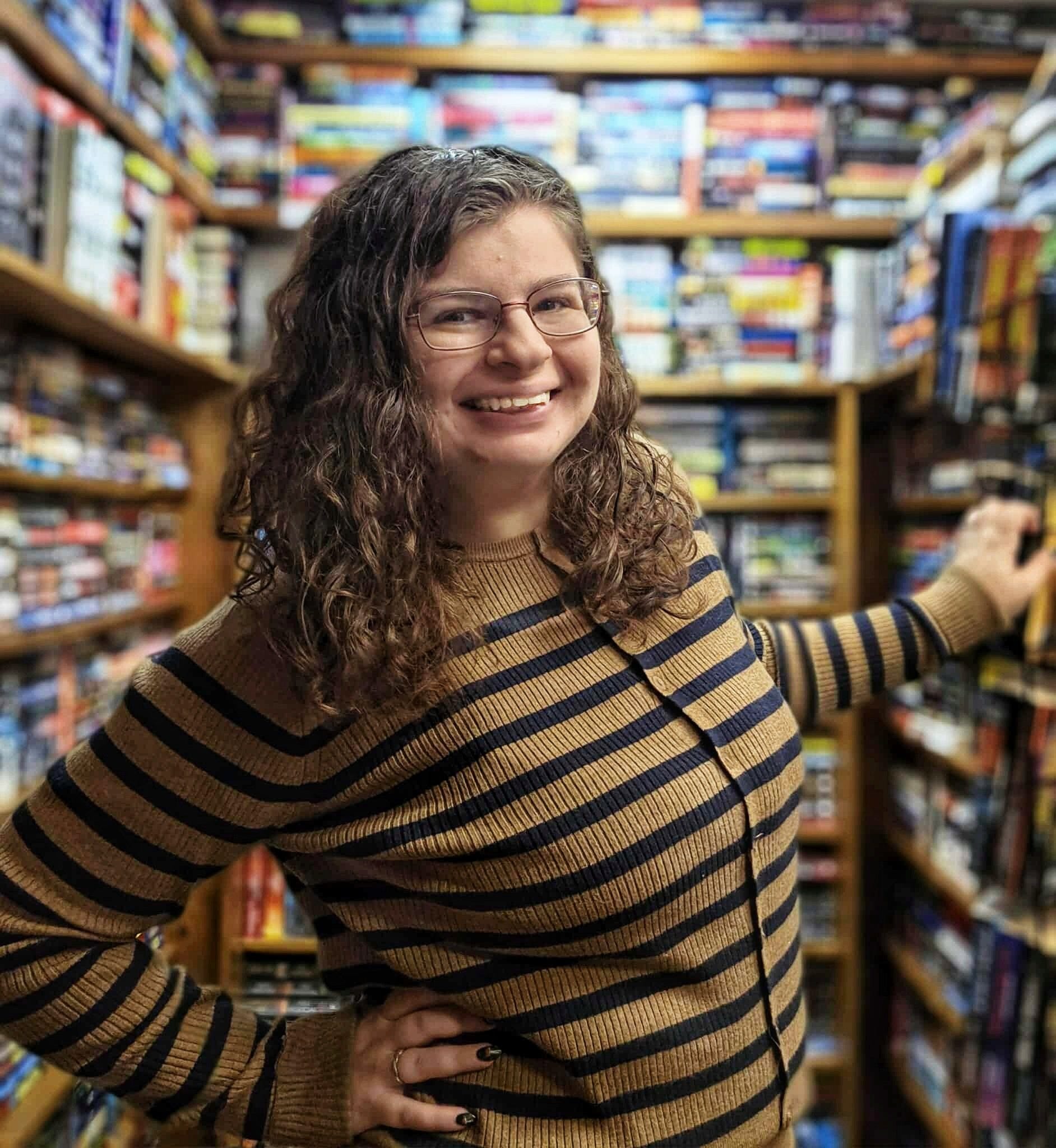
I will be going over my query letters for my different novels in future posts, alongside the perks and pitfalls of querying multiple novels at once, especially in regards to BENEATH THE WAVES OF THE LABYRINTH SEA (the manuscript with 25 fulls) and UNDERNEATH THE FOREST FORSAKEN (which had a 60% request rate) sometime very soon. Stay tuned for that! I’ll see you guys next week with another post.
Happy writing!
- Mylee J. Miller